Common Symptoms That Call for Periodontal Treatment Ventura
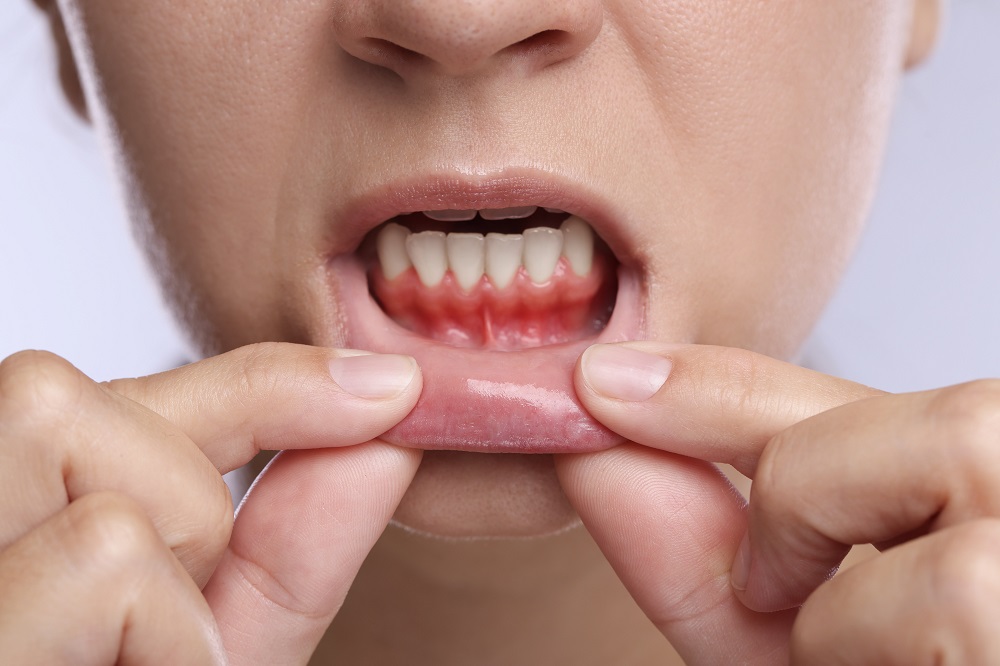
Gum disease rarely announces itself with a dramatic, unmistakable warning. More often, it starts quietly. A little blood in the sink after brushing. Breath that stays unpleasant no matter how carefully you clean your teeth. Gums that seem a bit puffy one month, then begin to pull back the next. Many people dismiss those signs because they are not always painful, and pain is still the symptom most patients trust. In periodontal care, that assumption causes trouble.
By the time discomfort becomes obvious, the supporting tissues around the teeth may already be under real stress. Periodontal disease affects the gums, the ligament that anchors teeth, and the bone that supports them. Once bone loss begins, the problem moves beyond a routine cleaning. That is when targeted periodontal treatment becomes important, not just for comfort, but for preserving teeth over the long term.
If you have been noticing changes in your gums, your bite, or even the way food gets trapped between certain teeth, it is worth paying attention. People looking into Periodontal Treatment Ventura often arrive with symptoms they have normalized for months or even years. The pattern is familiar: they thought the bleeding would stop on its own, or they assumed bad breath was coming from their stomach, or they blamed tooth sensitivity on cold drinks alone. The mouth tends to give clues well before it gives an emergency.
Bleeding gums are not normal, even if they are common
One of the most overlooked symptoms is bleeding when brushing or flossing. Many adults have seen pink in the sink often enough that it starts to feel ordinary. It is not. Healthy gums generally do not bleed with routine cleaning. When they do, the most likely reason is inflammation caused by plaque and bacteria collecting along or beneath the gumline.
There is a pattern clinicians see all the time. A patient starts flossing again after a break, the gums bleed, and the patient stops because it seems like flossing is the cause. In reality, flossing is revealing the inflammation, not creating it. If the tissue is already irritated, even gentle contact can trigger bleeding. When the inflammation is limited to the gums, the condition is called gingivitis. At that stage, treatment is usually more straightforward. If it progresses into the deeper supporting structures, it becomes periodontitis, which requires a more involved approach.
Occasional bleeding after snapping floss too hard against the gums is one thing. Repeated bleeding during normal home care is another. If that is happening regularly, especially in the same areas, it is a legitimate reason to schedule an evaluation.
Swollen, tender, or shiny gums often point to active inflammation
People tend to notice swollen gums when they compare old photos or realize their smile looks different. Inflamed gums can appear fuller, redder, and smoother than healthy tissue. Instead of a firm, matte appearance, they may look shiny or feel sore when brushing. Sometimes the tenderness is mild, more of an annoyance than a true pain. That subtlety is part of why it is missed.
Inflammation in the gums is the body https://www.google.com/maps?cid=6886544599407677320 responding to bacterial buildup. In early stages, that inflammation may still be reversible. Once the problem extends deeper, the tissue can begin to detach from the teeth, forming pockets where more bacteria collect. This creates a cycle that is hard to interrupt with home care alone.
A practical detail many patients find useful: inflamed gums do not always hurt all day. They may feel normal at breakfast, then tender while flossing at night. They may flare around one back molar and seem absent elsewhere. Spotty symptoms can still signal a broader periodontal issue, especially if they recur.
Persistent bad breath can come from beneath the gumline
Bad breath is often blamed on coffee, garlic, dry mouth, or not brushing the tongue enough. Those factors certainly matter, but chronic unpleasant breath that returns soon after cleaning deserves a closer look at the gums. Bacteria associated with periodontal disease release compounds that create a strong, lingering odor. Mouthwash may temporarily mask it, but it does not solve the source if the bacteria are living below the gumline.
This is one of the more frustrating symptoms because patients often become highly self-conscious before they become concerned about their gum health. They chew mints, switch toothpastes, rinse more often, and sometimes cut back on social interactions before realizing the issue may be periodontal. If bad breath persists despite solid hygiene habits, it is worth asking whether inflammation and periodontal pockets are part of the picture.
Gum recession changes more than appearance
Receding gums can make teeth look longer, expose root surfaces, and create sharp sensitivity to cold air or cold drinks. Some patients first notice it when they smile in a mirror and realize one tooth suddenly looks taller than the others. Others feel a notch near the gumline while brushing. Recession can happen for several reasons, including aggressive brushing, bite forces, and anatomical factors, but periodontal disease is one of the major causes that must be ruled out.
The reason recession matters is simple. Gum tissue does not just frame the teeth, it protects vulnerable root surfaces and helps maintain stability. When the gums recede because of active periodontal disease, the support around the tooth is being compromised. This is not purely cosmetic. It can affect sensitivity, plaque retention, and long-term prognosis.
In practice, recession often appears alongside other symptoms rather than alone. A patient may have sensitivity, bleeding in the same area, and a food trap between two teeth. That combination deserves careful probing and imaging to determine whether attachment loss has occurred.
Teeth that feel loose should never be ignored
Adults are often surprised to learn that tooth mobility can be a periodontal symptom, not just a result of trauma. Teeth are not set in bone like nails in wood. They are supported by a specialized ligament and surrounding bone. When infection and inflammation destroy that support, teeth can begin to shift or loosen.
Sometimes the change is obvious. A person bites into something firm and suddenly notices a front tooth feels unstable. More often, it is subtle. The bite feels different. A space appears where there was not one before. The patient starts pushing a tooth with their tongue and realizes it has more movement than it should.
Looseness does not automatically mean a tooth is lost, but it does mean the supporting system needs prompt evaluation. The earlier the cause is identified, the more options there usually are for stabilizing the area and preventing further breakdown.
Teeth shifting or new spacing can be an early clue
Not every periodontal symptom is painful or dramatic. In some adults, one of the first real signs is movement. The front teeth may begin to spread slightly. Food may start catching in areas that were never a problem before. The bite may no longer feel even when the jaws close. Patients sometimes assume this is just part of aging, but teeth do not usually drift without a reason.
Inflammation and bone loss can change how teeth are supported and how they respond to chewing forces. The result may be gradual migration, especially in areas where periodontal disease has weakened the foundation. This is particularly important for patients who had naturally straight teeth for decades and then begin noticing crowding or spacing over a relatively short period.
When someone mentions, “My teeth seem to be moving,” that comment deserves attention. It may reflect bite changes, grinding, or periodontal breakdown, and those causes can overlap.
Pus, gum boils, or a bad taste are signs of infection
Some gum infections become obvious because they produce drainage. A small pimple-like bump on the gum, a salty or bitter taste that comes and goes, or tenderness around one specific tooth can indicate an active infection. Patients often describe a spot that swells, drains, then improves temporarily before returning. That cycle is common when bacteria are trapped in a deep pocket or around an infected area.
This is not something to watch passively for weeks. Localized infections can accelerate tissue damage, and they often require more than a surface cleaning. If there is swelling, drainage, or a recurring bad taste from one area, prompt care is a smart move.
Pain with chewing can involve the gums, not just the tooth
When chewing hurts, most people assume they have a cavity or a crack. Those are valid possibilities, but periodontal inflammation can also create discomfort with biting pressure. If the ligament and surrounding tissues are inflamed, the tooth may feel tender when you chew or even when you tap it lightly with a fingernail. In some cases, the tooth itself is healthy, but the support around it is not.
This distinction matters because the treatment path is different. A cavity calls for restorative care. A cracked tooth may need protection or more advanced intervention. A periodontal problem requires controlling infection, reducing pocket depth when possible, and reestablishing a maintainable environment.
Patients are often surprised by this during diagnosis. They expected a filling and instead learn they need periodontal therapy. That is one reason a careful exam is so important. Similar symptoms can come from very different conditions.
When “I brush every day” is not enough
Many people who need periodontal treatment are not neglecting their teeth. They brush twice a day, use a good toothbrush, and make a genuine effort. The issue is that periodontal disease develops below the gumline, where routine brushing cannot reach. Flossing helps, but once tartar builds up under the gums or pockets deepen, home care alone cannot fully correct the problem.
There are also risk factors that make some people more vulnerable. Smoking is a major one. Diabetes, especially when not well controlled, can worsen gum inflammation and healing. Dry mouth, certain medications, hormonal changes, and genetic predisposition can all shape how periodontal disease appears and progresses. Stress plays a role too, often indirectly, by affecting immune response and daily routines.
A point worth emphasizing from real clinical experience: two patients with similar plaque levels can show very different disease severity. One may have mild gingivitis, while the other has significant attachment loss. That difference is why symptoms should be judged in context, not by guesswork.
Signs that should push you to schedule an exam soon
Most symptoms of periodontal disease do not require panic, but some do warrant timely attention. If several of these are happening at once, waiting for your next routine cleaning is not ideal.
- Gums that bleed repeatedly when brushing or flossing
- Persistent bad breath that returns quickly after cleaning
- Receding gums or teeth that look longer than before
- A loose tooth, new spacing, or a changing bite
- Swelling, drainage, or a recurring sore spot on the gums
Even one of these symptoms can justify an evaluation. A cluster of them makes the case stronger.
What periodontal treatment usually involves
The phrase “periodontal treatment” covers a range of care, and that can make patients uneasy if they are imagining the worst. In many cases, the first step is a detailed periodontal assessment. That includes measuring the depth of the gum pockets around each tooth, checking for bleeding points, evaluating recession, and taking appropriate radiographs to look at bone levels. The goal is not simply to say whether gum disease is present, but to determine how far it has progressed and where the highest-risk areas are.
For mild gingivitis, treatment may focus on a professional cleaning and an improved home-care routine tailored to the patient’s anatomy and habits. For periodontitis, deeper cleaning beneath the gums, often called scaling and root planing, is a common initial therapy. This aims to remove bacterial deposits and tartar from root surfaces so the tissue can begin to heal. Some cases also benefit from localized antimicrobial treatment, closer maintenance intervals, or referral to a periodontist for advanced management.
Surgical therapy is sometimes necessary, but not nearly as often as anxious patients assume. It usually enters the conversation when deep pockets remain, bone defects need correction, or gum recession requires specific treatment. The right plan depends on severity, location, general health, and the patient’s ability to maintain the results.
What to expect after treatment starts
A realistic expectation helps people follow through. Gums that have been inflamed for months do not become healthy overnight. Bleeding often improves relatively quickly, sometimes within days or weeks, but deeper healing takes longer. Tenderness after treatment can happen, especially after more involved cleaning below the gumline. Some temporary sensitivity is common because calculus that once covered parts of the root has been removed, exposing the true surface again.
What matters most is trend, not instant perfection. The tissues should look calmer, bleed less, and feel more comfortable to clean. Follow-up visits are important because they reveal whether pocket depths are improving and whether the current home-care routine is working. Periodontal therapy is not a one-time event. It is more accurate to think of it as disease control followed by maintenance.
That maintenance piece is where many long-term successes are won or lost. Once bone support has been reduced, the goal becomes preserving what remains. Patients who understand that tend to do very well, especially when they keep regular periodontal maintenance visits and adapt their home routine as advised.
Ventura patients often ask, “Can this wait?”
That question comes up often, and the honest answer is: sometimes a short delay is manageable, but prolonged delay usually makes treatment more complicated. Gum disease is typically chronic and progressive. It may move slowly in one person and faster in another, but it does not usually reverse on its own once periodontitis is established.
For anyone searching for Periodontal Treatment Ventura, the best reason to schedule promptly is simple. Earlier care usually means less tissue damage, fewer invasive interventions, and a better chance of keeping your natural teeth stable. Waiting until a tooth feels very loose or an infection becomes painful narrows the options.
There is also a practical side to this. If the issue is caught while changes are still limited to certain areas, treatment can often stay focused and efficient. If several years pass, the same patient may be facing more extensive therapy, restorative work, or even tooth replacement decisions that could have been avoided.
The quiet symptoms matter most
The hardest part about periodontal disease is that its early signs are easy to tolerate. Bleeding seems minor. Bad breath seems embarrassing rather than medical. Recession seems cosmetic. A slight shift in the front teeth seems like age. Taken together, though, those symptoms often tell a coherent story. The gums are inflamed, the attachment may be changing, and the foundation of the teeth needs help.
If your mouth has been giving you those quiet signals, trust them. Healthy gums do not regularly bleed, swell, recede, or produce a persistent bad taste. Teeth should not start drifting for no reason. A careful periodontal evaluation can separate a temporary irritation from a deeper problem, and that clarity matters.
The best outcomes in periodontal care usually come from timing, not heroics. Catch the issue early, treat it precisely, and maintain the result. That approach protects comfort, function, and the teeth you already have.
Avra Dental
Address: 1708 S Victoria Ave B, Ventura, CA 93003
Phone number: (805) 941-1001
FAQ About Periodontal Treatment Ventura
Can a dentist get rid of periodontal disease?
A dentist or gum specialist (periodontist) cannot fully cure or reverse advanced periodontal disease (periodontitis), but they can successfully stop its progression and manage the infection.
Is periodontitis very serious?
Yes, periodontitis is a very serious, advanced form of gum disease that destroys the bone and tissues supporting your teeth.
How is stage 2 periodontal disease treated?
Stage 2 periodontal disease (early to moderate periodontitis) is primarily treated with non-surgical deep cleaning procedures like scaling and root planing to remove bacteria and tartar below the gumline.